
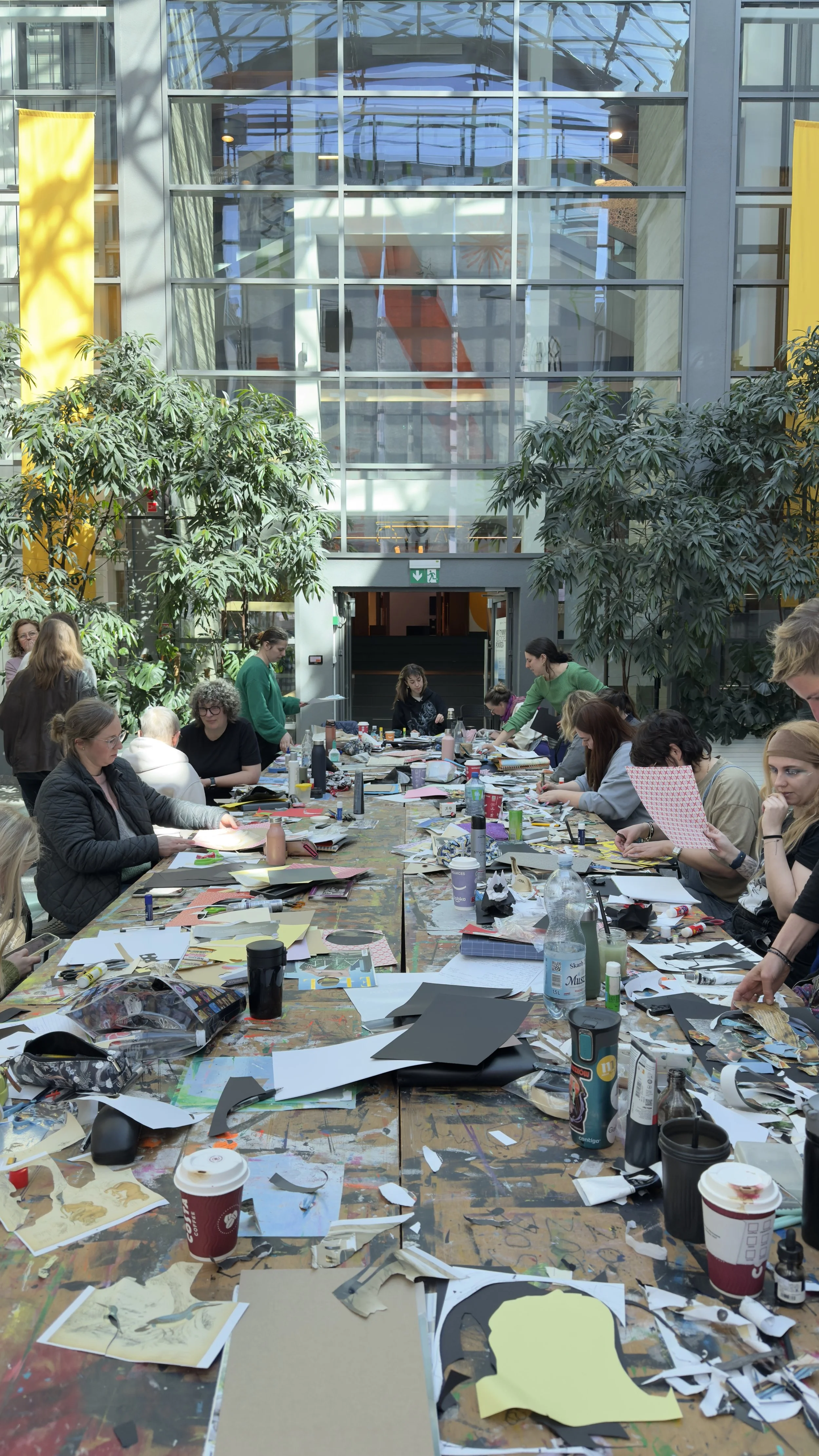
Kiedy rok temu decydowałam się na rozpoczęcie studiów z arteterapii, kierowała mną czysta ciekawość oraz intuicja, która od lat podpowiadała mi, że malarstwo to coś znacznie głębszego niż tylko nakładanie pigmentu na płótno. Jako artystka codziennie doświadczam tego, jak proces twórczy wpływa na moje samopoczucie. Chciałam jednak zrozumieć ten mechanizm od strony naukowej, psychologicznej i ludzkiej.
Ten rok zmienił moje spojrzenie – nie tylko na to, jak sama tworzę, ale też na to, jak patrzę na drugiego człowieka i na sztukę, którą otaczamy się w domach.
Oto 10 najważniejszych lekcji, które wyniosłam z tego intensywnego czasu.
1. Proces jest ważniejszy niż efekt końcowy
W świecie zdominowanym przez kulturę perfekcji i wieczną pogoń za rezultatem, arteterapia przynosi ulgę. Nauczyła mnie, że najważniejsze jest to, co dzieje się w Tobie w trakcie tworzenia. Ty, pędzel, moment uwalniania napięcia i dialog z samym sobą. Piękny obraz na końcu to tylko miły skutek uboczny.
2. Sztuka mówi tam, gdzie brakuje słów
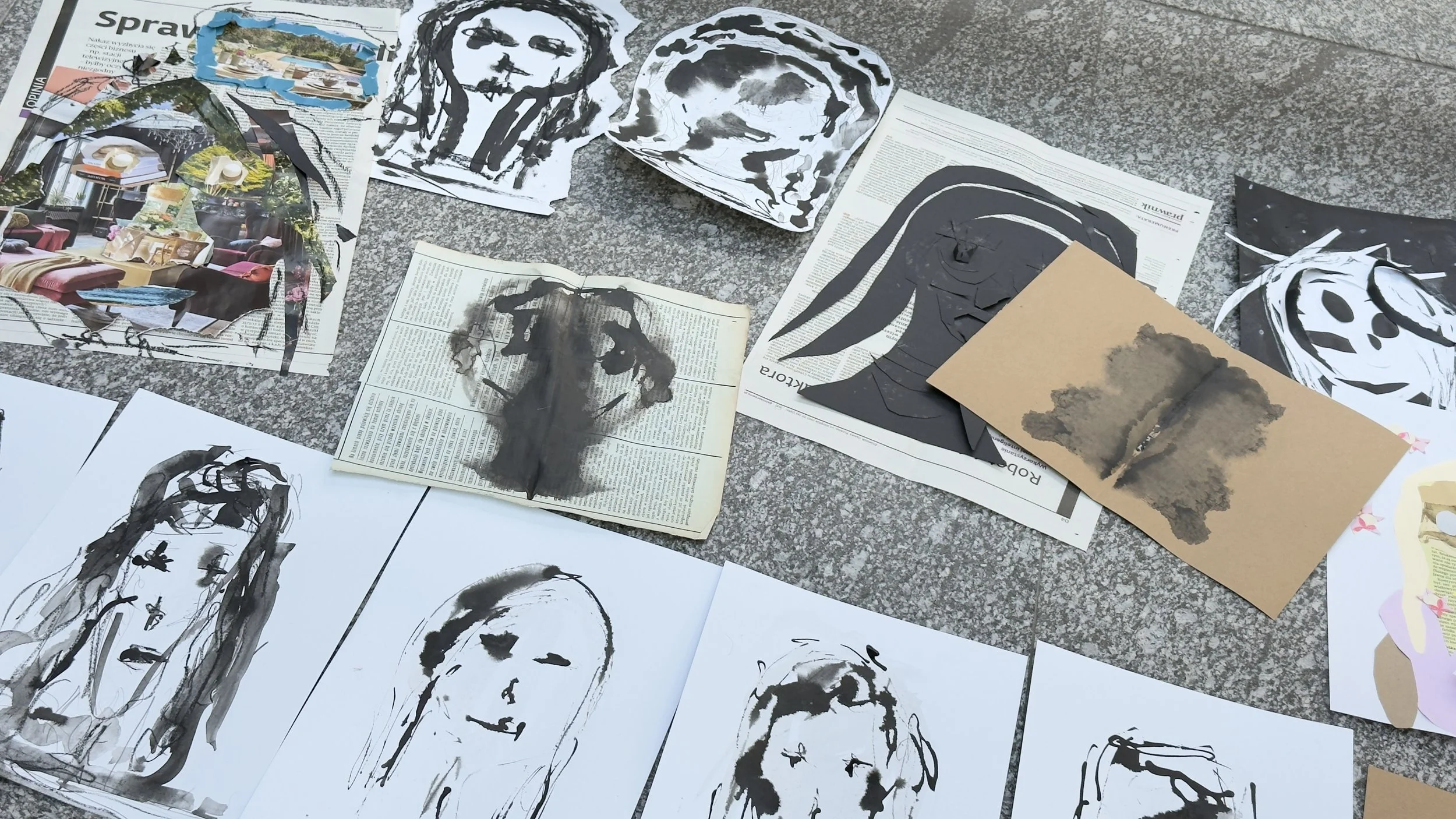
Są w nas emocje, lęki czy wspomnienia, których nie potrafimy ubrać w zdania. Bywają zbyt trudne lub zbyt głębokie. Arteterapia pokazała mi, że plama koloru, dynamiczne pociągnięcie pędzla czy chaotyczna linia potrafią opowiedzieć historię głośniej i wyraźniej niż jakikolwiek monolog. Sztuka to najbezpieczniejszy język świata.
3. Nie ma „brzydkich” obrazów
Na zajęciach z arteterapii całkowicie wyłącza się wewnętrznego krytyka. Tam nie ocenia się estetyki, proporcji ani techniki. Każda kreska ma swoje znaczenie i jest ważna, bo jest autentycznym zapisem momentu. Odrzucenie kategorii „ładne/brzydkie” daje niesamowite, niemal dziecięce poczucie wolności.
4. Kolory to lustro naszej podświadomości
Wiedziałam to intuicyjnie, ale studia dały mi na to twarde dowody. To, po jakie kolory sięgamy w danym dniu, rzadko jest przypadkiem. Czasem potrzebujemy uspokajającego błękitu, by wyciszyć przebodźcowany umysł, a czasem intensywnej czerwieni, by dać ujście złości. Kolory komunikują stany, o których sami przed sobą wolimy milczeć.
5. Malarstwo intuicyjne ma moc uziemiającą
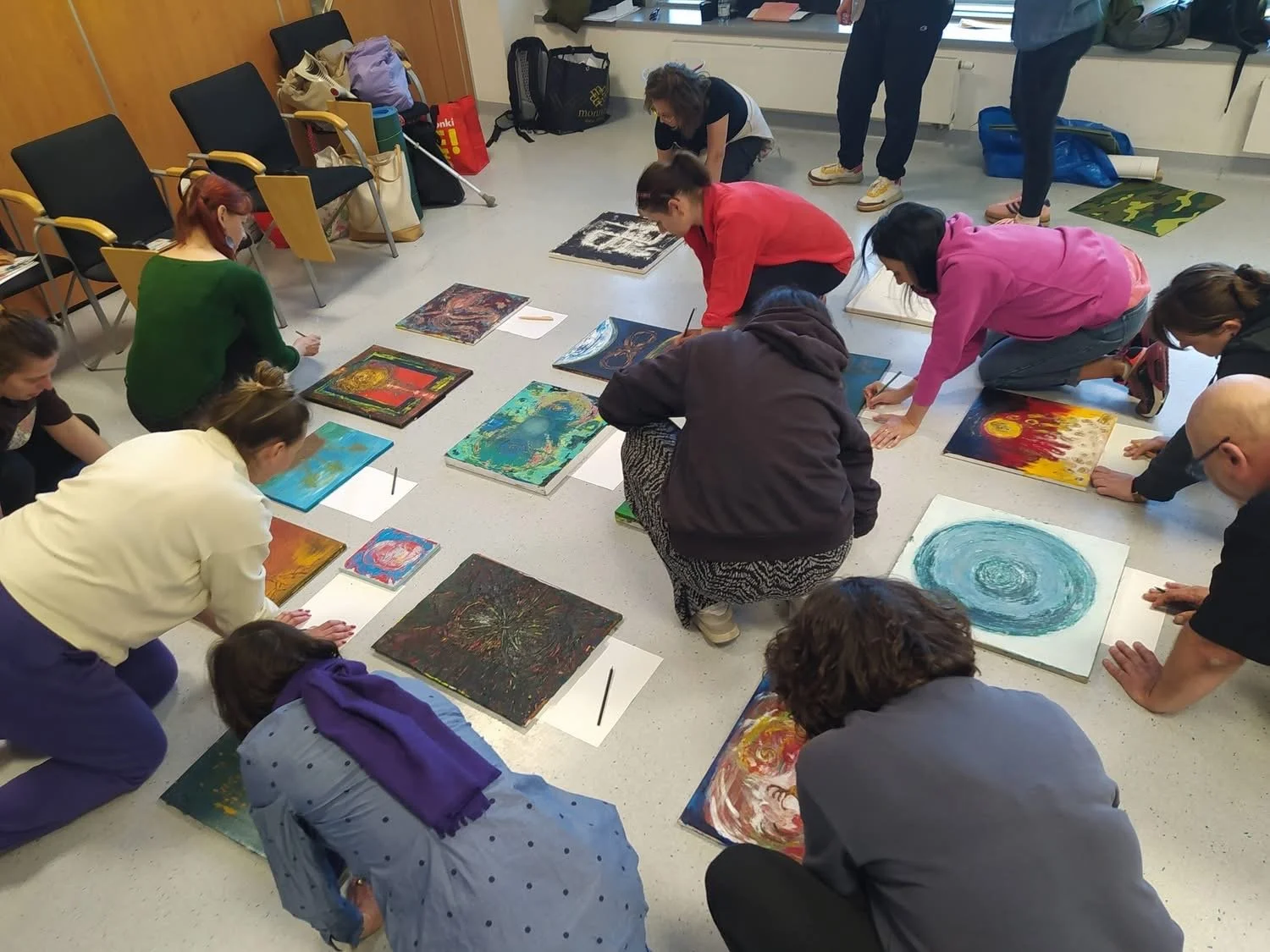
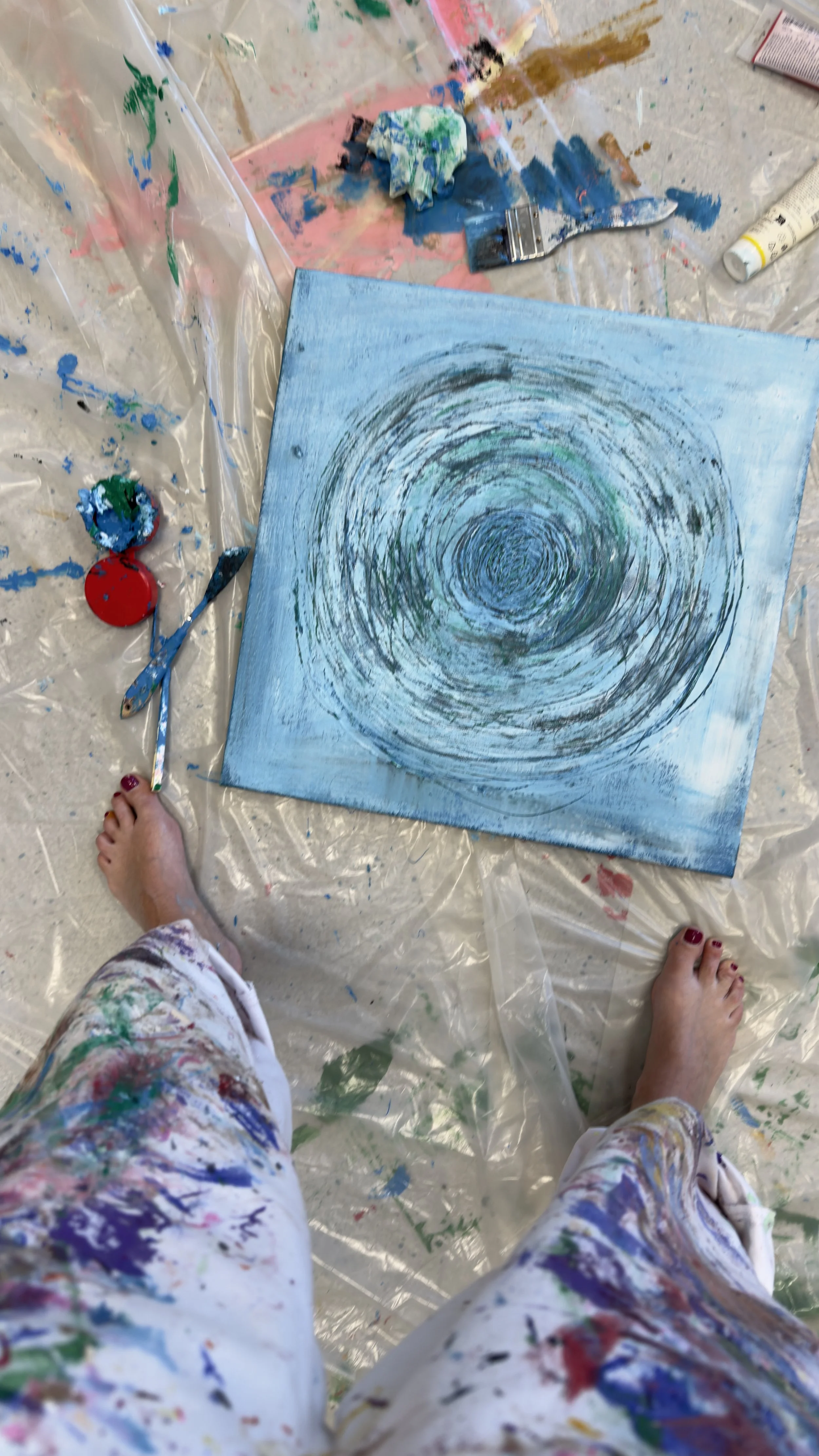
Kiedy dajemy sobie wolność w wyborze plam, linii i formatów, angażujemy nasze zmysły w zupełnie nowy sposób. Obserwowanie, jak farba rozlewa się po płótnie, jak przenikają się kolory i jak spod pędzla wyrażają się kolejne emocje, pozwala oderwać się od gonitwy myśli. To powrót do czystej obecności „tu i teraz” – medytacja, która niesamowicie redukuje stres.
6. Bezpieczny wentyl dla trudnych emocji
Sztuka przyjmie wszystko. Możesz na nią przelać złość, żal, smutek czy frustrację. Obraz wytrzyma każde uderzenie pędzla i każdą ciemną barwę. Nikogo tym nie skrzywdzisz, a zrzucisz z siebie ciężar, który nosisz w klatce piersiowej.
7. Każdy z nas jest artystą (tylko o tym zapomnieliśmy)
Jako dzieci wszyscy malowaliśmy z zachwytem, bez wstydu i zahamowań. Potem, najczęściej w szkole, ktoś nas ocenił, porównał i zamknął w nas tę przestrzeń. Arteterapia udowadnia, że ten wewnętrzny twórca w każdym z nas żyje – wystarczy dać mu bezpieczne warunki, by znów zaczął działać.
8. Malowanie to najczystsza forma medytacji
Kiedy wchodzisz w tzw. stan flow (przepływu), czas przestaje istnieć. Nie myślisz o rachunkach, obowiązkach ani o tym, co było wczoraj. Jesteś tylko Ty, farba i płótno. Taki reset dla mózgu w dzisiejszych, przebodźcowanych czasach jest na wagę złota.
9. Metafora otwiera oczy szybciej niż logika
Nasz umysł uwielbia racjonalizować i oszukiwać sam siebie. Ale kiedy namalujesz coś metaforycznego – np. wysychające drzewo albo mur, przez który trudno przejść – nagle stajesz twarzą w twarz z prawdą o swojej obecnej sytuacji życiowej. Sztuka po prostu nie kłamie.
10. Zmieniło się moje podejście do własnej twórczości
Ten rok sprawił, że moje własne malarstwo stało się jeszcze bardziej świadome. Kiedy teraz stoję przed sztalugą, myślę o energii, jaką wlewam w każdy ruch pędzla. Wiem, że te kolory i kompozycje trafią później do Waszych domów i będą tam pracować – przynosić spokój, dawać siłę albo otulać swoim ciepłem. Nie tworzę już tylko estetycznych obiektów. Tworzę przestrzeń do odczuwania.
Przestrzeń, która pracuje w domu
Ten rok uświadomił mi, że obrazy, którymi się otaczamy, to coś znacznie ważniejszego niż tylko dekoracja pasująca do wnętrza. Sztuka ma realną moc zmieniania energii w pomieszczeniu i wpływania na nasz nastrój.
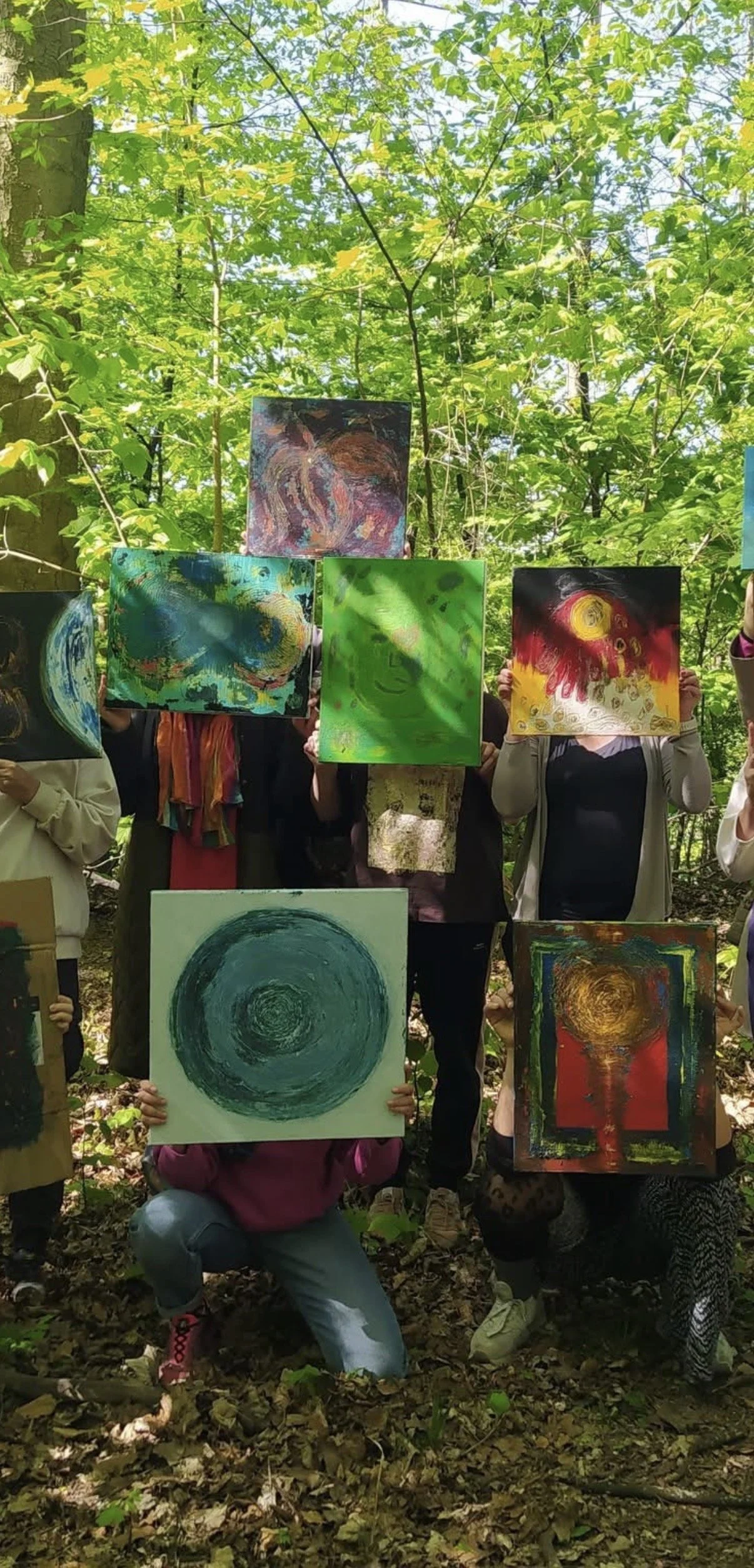
Mam nadzieję, że patrząc na moje płótna, odnajdziesz w nich dokładnie to, czego w danym momencie najbardziej potrzebujesz: chwilę oddechu, spokój po intensywnym dniu albo czystą, pozytywną energię. W końcu malarstwo od zawsze miało przede wszystkim karmić duszę.
~~~What Has a Year of Studying Art Therapy Taught Me?
When I decided to start my studies in art therapy a year ago, I was guided by pure curiosity and an intuition that had been whispering to me for years: painting is something much deeper than just applying pigment to canvas. As an artist, I experience on a daily basis how the creative process affects my well-being. However, I wanted to understand this mechanism from a scientific, psychological, and deeply human perspective.
This past year has completely shifted my perspective—not only on how I create my own art, but also on how I look at other people and the art we choose to surround ourselves with in our homes.
Here are the 10 most important lessons I have taken away from this intensive journey.
1. The process is more important than the final result
In a world dominated by perfectionism and the constant chase for results, art therapy brings incredible relief. It taught me that what matters most is what happens inside you while you create. It is about you, the brush, the moment of releasing tension, and the dialogue with yourself. A beautiful painting at the end is just a wonderful byproduct.
2. Art speaks where words fall short
There are emotions, anxieties, or memories within us that we simply cannot put into sentences. Sometimes they are too difficult, or just too deep. Art therapy has shown me that a splash of color, a dynamic brushstroke, or a chaotic line can tell a story louder and clearer than any monologue. Art is truly the safest language in the world.
3. There is no such thing as a "ugly" painting
In art therapy sessions, the inner critic is completely turned off. There is no judgment regarding aesthetics, proportions, or technique. Every single line has its meaning and is important because it is an authentic record of that exact moment. Rejecting the categories of "pretty" versus "ugly" gives an incredible, almost childlike sense of absolute freedom.
4. Colors are a mirror of our subconscious
I knew this intuitively, but my studies gave me hard evidence. The colors we reach for on any given day are rarely accidental. Sometimes we need a soothing blue to quiet an overstimulated mind, and other times an intense red to release bottled-up anger. Colors communicate states of mind that we might prefer to keep secret even from ourselves.
5. Intuitive painting has a grounding power
When we give ourselves the freedom to choose shapes, lines, and formats without a rigid plan, we engage our senses in a completely new way. Watching paint spread across the canvas, seeing colors blend, and witnessing emotions express themselves through the brush allows us to disconnect from racing thoughts. It is a return to pure presence in the "here and now"—meditation in its purest form, which incredibly reduces stress.
6. A safe valve for difficult emotions
The canvas will accept absolutely everything. You can pour your anger, grief, sadness, or frustration onto it. A painting can withstand every heavy brushstroke and every dark hue. You won’t hurt anyone by doing so, but you will release the heavy weight you have been carrying in your chest.
7. Everyone is an artist (we just forgot)
As children, we all painted with pure joy, without shame or inhibition. Then, usually at school, someone judged us, compared us, and locked that space away inside us. Art therapy proves that this inner creator is still alive in every one of us—it just needs a safe environment to start playing again.
8. Painting is the purest form of meditation
When you enter the state of flow, time simply ceases to exist. You aren't thinking about bills, daily chores, or what happened yesterday. It is just you, the paint, and the canvas. A mental reset like this is worth its weight in gold in today's overstimulated world.
9. Metaphor opens our eyes faster than logic
Our minds love to rationalize and play tricks on us. But when you paint something metaphorical—like a dying tree or a wall that feels impossible to cross—you suddenly stand face-to-face with the truth of your current life situation. Art simply does not lie.
10. It has changed the way I approach my own work
This year has made my own artistic practice even more intentional. Now, when I stand in front of my easel, I think deeply about the energy I pour into every single brushstroke. I know that these colors and compositions will eventually find their way into your homes, where they will continue to work—bringing peace, offering strength, or wrapping you in warmth. I am no longer just creating aesthetic objects. I am creating a space for feeling.
A Space That Works Within Your Home
This year has made me realize that the artwork we surround ourselves with is so much more than just a decoration meant to match the interior. Art has a genuine power to shift the energy of a room and deeply influence our mood.
I hope that when you look at my canvases, you find exactly what you need most in that specific moment: a breath of fresh air, peace after a long, intense day, or pure, positive energy. After all, art has always been meant, above all else, to feed the soul.
